What Does The US Export To Switzerland? Trade Insights
International trade between the United States and Switzerland highlights the strong economic relationship between the two nations. With its highly




Embarking on the journey of international shipping is often met with various challenges, and one critical checkpoint in this intricate process is the customs clearance phase. A pivotal moment arrives when you receive the notification that your shipment has been given a release status by customs.
This proclamation is more than just a bureaucratic formality; it’s the green light that signifies your goods have successfully passed through the scrutiny of customs authorities in the destination country.
In this blog, we will delve into the significance of this release status, exploring what it means for the smooth progression of your shipment and the assurance it provides for a seamless delivery process.
At the forefront of facilitating hassle-free customs processes, Artemus Transportation Solutions stands as a beacon for those navigating the complexities of international trade. Artemus specializes in aiding businesses with ISF (Importer Security Filing) software, AMS (Automated Manifest System) software, and tailored solutions for customs brokers.
Table Of Contents
When a shipment has been given a release status by customs, it signifies a critical juncture in the international shipping process. This status serves as an official approval from the customs authorities in the destination country, indicating that the goods have successfully undergone the necessary inspections, verifications, and documentation checks, and are cleared for entry into the country.
This milestone is a positive outcome for businesses engaged in international trade, as it paves the way for the seamless progression of the shipment towards its final destination.
Several key elements contribute to the significance of the “Shipment Has Been Given A Release Status By Customs”:
Related: What Is NVOCC? Meaning & Details You Need To Know
Sure, here’s a more detailed explanation of the common reasons for shipment held by customs authorities:

Customs authorities require a lot of paperwork for international shipments, and missing or incorrect documentation is a common reason for delays. This can include invoices, product codes, textile samples, content descriptions, and shipment documentation.
It’s important to ensure that all the paperwork is for every international shipment to avoid customs delays.
Most countries will charge import duties and taxes for shipments that exceed a certain value. If these fees and taxes are not paid, the shipment will be held by customs. This type of customs delay can be prevented with delivery duty paid (DDP) shipping where the fees and taxes are paid upfront.
Misclassified cargo will get held up at customs. Typically, opt for the most specific category heading for your product as a general guideline. If you’re unsure about the classification of your product, it’s best to consult with a customs broker or freight forwarder.
If loaded shipping containers are not returned on time, the container could miss the scheduled ship, delaying arrival. It’s important to ensure that the containers are returned on time to avoid customs delays.
A shipment that contains items that are either hazardous or considered dangerous will be held by customs. It’s important to ensure that you’re not shipping any prohibited or restricted items to avoid customs delays.
Customs authorities inspect and evaluate shipments to ensure they meet all legal and regulatory requirements, which can include checking the correctness and completeness of documentation, assessing any applicable duties and taxes, and ensuring the shipment doesn’t contain prohibited or restricted items.
These inspections can cause delays, but they’re necessary to ensure compliance with regulations and safety standards.
Related: Japan AFR Filing (Advanced Filing Rules) For Compliance
If your package is delayed at customs, don’t panic. There are several proactive steps you can take to address the issue and get your shipment moving again.
Start by closely monitoring the tracking updates from your courier. Most carriers provide real-time tracking that indicates where your package is and if it’s held at customs. This helps you act quickly if any problems arise.
Reach out to the shipping provider for clarification. They can often tell you the reason for the delay and may be able to communicate directly with customs on your behalf.
Make sure all necessary paperwork is complete and accurate. This may include invoices, receipts, a commercial invoice, or import/export licenses. Missing or incorrect documents are a common cause of delays.
If your shipment has been stuck for several days with no updates, consider contacting the customs office directly. Be polite and provide any documents they request to help speed up the release.
If import duties or taxes are owed, customs may hold the shipment until payment is made. Check if any fees are due and arrange payment as soon as possible.
Sometimes, customs may need extra details about your shipment — such as the nature of the goods, their origin, or their value. Promptly responding to such requests can prevent further delays.
Double-check that your package doesn’t contain goods that are banned or restricted in the destination country. These items are more likely to be flagged and held.
If you’re unfamiliar with the customs process or shipping high-value items, a customs broker can guide you through the regulations and help get your shipment cleared faster.
Each country has unique customs rules. Reviewing import regulations ahead of time can prevent surprises and ensure your documents and declarations meet all requirements.
Delays at customs aren’t always avoidable, but staying calm and acting quickly can make all the difference. Follow up consistently and keep communication lines open.
By following these steps, you can reduce the risk of extended delays and improve your chances of a smooth customs release.
Related: What Is Global Trade Compliance & Its Key Components
Navigating the world of international shipping involves a thorough understanding of customs procedures, and one crucial aspect is the various customs release statuses that shipments can undergo. Each release status signifies a specific stage in the customs clearance process, shedding light on the fate of the goods in transit.
This status indicates that the customs authorities are still in the process of reviewing the shipment. It might be awaiting necessary documentation or undergoing inspection. While in this state, the goods are temporarily held until the customs officials complete their assessment.
When a shipment has been “cleared by customs,” it means that the customs authorities have completed their review and approved the goods for entry into the destination country. This release status is a positive indication that the necessary checks and verifications have been successfully conducted.
Occasionally, customs may place a shipment on hold for a thorough inspection. This status suggests that some concerns or discrepancies require closer scrutiny. The inspection could involve a physical examination of the goods or additional documentation checks before the customs release is granted.
A conditional release status implies that the customs authorities have approved the shipment but with certain conditions attached. These conditions could include the need for additional documentation or compliance with specific regulations. The release is contingent upon the shipper fulfilling these conditions promptly.
In unfortunate cases, customs may refuse entry to a shipment. This could be due to non-compliance with regulations, incorrect documentation, or the presence of prohibited items. When a shipment receives a “refused entry” status, it requires corrective action or may be subject to return to the country of origin.
Related: NVOCC Software For Streamlined Compliance & Why You Need It?
Once your shipment has been cleared by customs, the estimated delivery time can vary depending on several factors, including the destination, shipping method, and carrier efficiency.
For the most accurate delivery time, check your tracking information or contact the shipping carrier directly.
Related: How Long Does Sea Cargo Take? What To Expect
Navigating the customs release process efficiently is crucial for businesses engaged in international trade. Here are ten valuable tips to ensure a smooth customs release, minimizing delays and optimizing the clearance process:
Related: How To Find HTS Code? Tips For HTS Code Identification
Artemus offers a robust software solution designed for ISF (Importer Security Filing), AMS (Automated Manifest System), and Customs Brokers, ensuring seamless compliance with U.S. customs regulations. Our user-friendly platform simplifies complex filing processes, helping businesses accurately submit required documentation while reducing errors and delays.
Whether you’re managing ISF filings for ocean shipments or AMS submissions for inbound cargo, Artemus streamlines the workflow to save time and enhance efficiency.
With features tailored for customs broker software and logistics professionals, Artemus provides real-time updates, secure data management, and compliance tracking for ISF, AMS, & AES to meet strict regulatory standards.
Related: HS Code VS HTS Code: 10 Differences You Need To Know
When an item is released by customs, it means that it has successfully passed all required inspections and checks, and it is authorized to proceed to its final destination without any further hold or delay.
The duration a shipment stays in customs varies but typically ranges from a few days to a few weeks, depending on factors like customs processing times, completeness of documentation, and any inspections or additional requirements.
Customs clearance is the overall process of meeting customs requirements, while release specifically refers to the authorization for the shipment to proceed after meeting those requirements.
“Customs Released” means that Customs has completed its checks on your shipment, and it is cleared for delivery. This indicates that all required documentation, duties, and inspections have been resolved.
After Customs releases your parcel, it is handed over to the shipping carrier or delivery service for final transportation. The parcel will proceed to its destination, and you can track its progress with the carrier.
When a shipment is given a “Release Status” by Customs, it means the shipment has passed all necessary Customs procedures and inspections. It is now authorized to continue its journey to the recipient.
“Release Status” means that Customs has completed its inspection or verification of your shipment, and it is now cleared to proceed to the next step of delivery.
Once a shipment is given Release Status, it typically moves to the carrier or port for final transportation. The time depends on logistics providers and any remaining formalities.
Yes, a Release Status indicates that Customs has cleared your shipment. However, additional local procedures, such as payment of duties or logistics handovers, might still apply.
If duties or taxes are owed, they are usually paid before Customs gives the Release Status. If pending, your carrier or broker will notify you for payment before final delivery.
In such cases, it might be held up by the carrier, port authorities, or due to incomplete documentation. Contact your shipping provider or customs broker for updates.
It is rare, but Customs can re-examine a shipment if irregularities are later discovered or flagged during audits.
Your broker ensures all paperwork is submitted correctly, duties are paid, and compliance is met, which facilitates quicker clearance and release.
No, it only means Customs has cleared the shipment. Final departure depends on logistics arrangements with the shipping company or port operator.
You can track your shipment using the carrier’s tracking system or consult your broker for real-time updates.
Check with your carrier for logistical delays or pending payments. If unresolved, contact your Customs broker for assistance.
Customs can be cleared by the importer, a licensed customs broker, or an authorized agent acting on behalf of the importer.
No, Indian Customs does not check every package; they inspect shipments randomly or when something appears suspicious or incomplete.
It refers to the official approval by customs for goods to enter or leave a country after inspection and duty payment.
Confiscated items may be destroyed, returned to the sender, or auctioned, depending on the nature of the goods and local laws.
Customs can hold a package for a few days to several weeks, depending on the reason for inspection or documentation issues.
Yes, customs can seize a package if it contains prohibited, restricted, or improperly declared items.
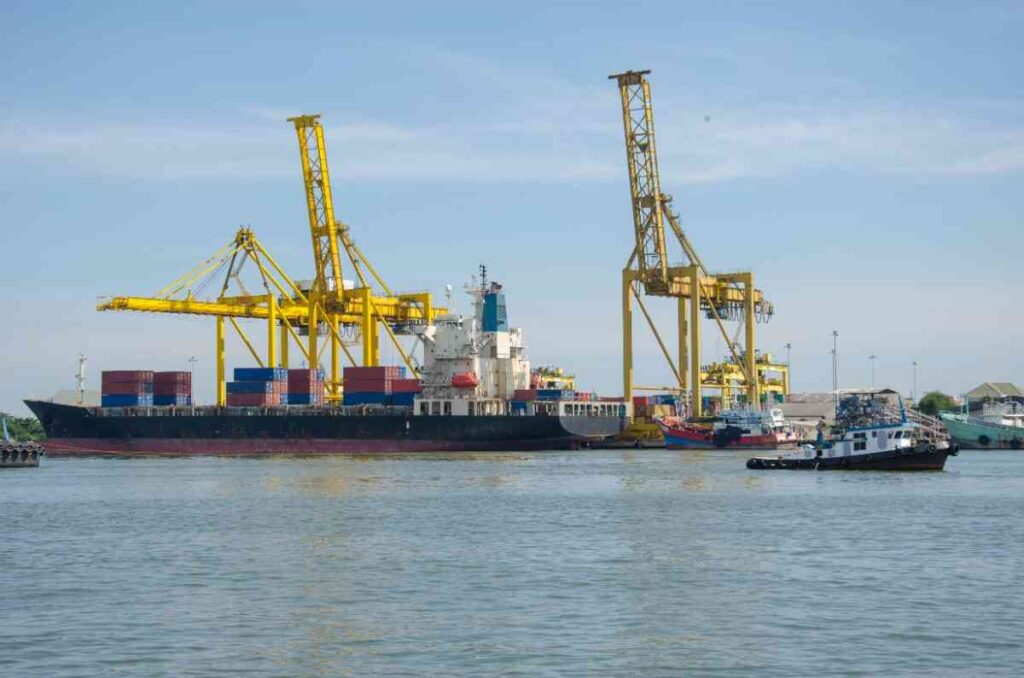
The moment when a shipment is given a release status by customs marks a significant milestone. This proclamation is not merely a bureaucratic formality; it’s the key to unlocking a smooth and unhindered journey for your goods to their final destination.
As we conclude our exploration of this crucial customs release status, it’s evident that achieving this milestone is a testament to meticulous planning, compliance, and effective logistics management.
The release status signifies that the goods have successfully navigated the intricate web of customs regulations, inspections, and documentation checks. With the green light from customs authorities, the path is now clear for the final stages of the delivery process.
Related: Customs Compliance Software: Key Benefits & Top Suggestions

International trade between the United States and Switzerland highlights the strong economic relationship between the two nations. With its highly

Cold Nordic waters, advanced engineering, and a strong maritime economy make Norway a powerful exporter despite its size. Many of
Trade between the United States and Canada is one of the largest bilateral trading relationships in the world. Understanding what
 Optimized by Seraphinite Accelerator