
What Does The US Export To Switzerland? Trade Insights
International trade between the United States and Switzerland highlights the strong economic relationship between the two nations. With its highly



Understanding how to import from China to the USA opens up possibilities for businesses seeking to expand their product offerings and enhance competitiveness. However, navigating the complexities of international trade, including regulatory compliance and logistics, can be challenging without the right support.
That’s where Artemus Transportation Solutions comes in. With expertise in compliance support and cutting-edge ISF and AMS software solutions, Artemus empowers businesses to streamline the import process, ensuring seamless customs clearance and adherence to U.S. regulations.
Join us as we delve into the intricacies of importing from China to the USA and discover how Artemus Transportation Solutions can help businesses thrive in the global marketplace.
Table Of Contents

Importing from China to the USA involves a series of intricate steps and considerations to ensure a smooth and successful process. Here’s a detailed guide on how to import from China to the USA:
Related: How To Export From India To USA? A 2024 Updated Guide

Importing from China still has many advantages, but recent trade policy changes, tariffs, and supply chain shifts introduce new risks. Understanding both sides can help you make better decisions.
China is globally recognized for its low manufacturing costs, driven by affordable labor, abundant raw materials, and strong economies of scale. Importing from China often enables businesses to acquire products at a much lower price compared to domestic production or sourcing from other regions.
China’s extensive industrial base covers almost every category, from electronics, textiles, and toys to heavy machinery and consumer goods. Businesses can easily source diverse and customizable products tailored to their market needs.
China’s manufacturing infrastructure allows mass production with speed and efficiency. This scalability benefits companies placing bulk orders or planning to expand quickly without compromising timelines.
Beyond low-cost manufacturing, China leads in several high-tech sectors, including electronics, renewable energy, telecommunications, and automotive components. Importing from China can provide access to advanced technologies and innovative product designs.
China plays a central role in global trade networks. With mature logistics systems, extensive port infrastructure, and established trade routes, importers can integrate their operations into global supply chains more seamlessly.
Chinese manufacturers often provide flexible production options, from private labeling and packaging design to product modifications. This adaptability helps businesses develop customized products that align with brand and market preferences.
While quality standards have improved, inconsistencies still exist among suppliers. Importers may face issues such as product defects, material substitutions, or non-compliance with U.S. regulations unless proper quality control measures are in place.
The distance between China and the U.S. results in longer transit times and higher shipping expenses. Additionally, customs clearance, port congestion, and freight rate fluctuations can further affect delivery schedules and costs.
Differences in language, business etiquette, and negotiation styles can sometimes cause miscommunication or misunderstandings, leading to delays or production errors.
IP theft and counterfeiting remain risks in China. Importers dealing in branded or proprietary products should ensure contracts include IP protection clauses and work only with verified, reputable suppliers.
Importers must navigate complex trade regulations, compliance requirements, and varying tariff rates. Shifts in U.S.–China trade policies or new duties can directly impact product pricing and profit margins.
Relying heavily on Chinese suppliers exposes businesses to geopolitical tensions, production shutdowns, or logistics disruptions. Diversifying sourcing locations can reduce dependency and strengthen supply chain resilience.
Related: Poland’s Exports To USA: The Complete List For Opportunities
Finding reliable suppliers in China is crucial for businesses looking to import products successfully. Here’s a detailed guide on how to find trustworthy suppliers in China:
Related: Exporting Mangoes From India To The USA: How To Ship?
Import duties on goods from China to the USA vary widely, depending on several factors such as product category, value, origin rules, and current trade measures. In 2025, these duties are more complex and often higher than before.
In general, duty rates might start as low as 0 %, but many goods now attract much higher rates. Due to new U.S. trade policies, most Chinese imports face a baseline 10 % “reciprocal” tariff, plus existing duties like the 20 % “fentanyl” tariff and additional Section 301 tariffs (some ranging from 7.5 % to over 100 %). The combined effect means many Chinese goods are now subject to effective tariff rates of 30 % or more.
Some categories that face especially high rates include electronics, machinery, textiles, and products subject to anti-dumping or countervailing duties. Also, new policies have removed the de minimis exemption for low-value Chinese shipments, so even small parcel imports now may incur duties.
To know the precise duty for your product, you must check the Harmonized Tariff Schedule (HTS) classification and review current trade rules applicable to that HS code. Consulting with a customs broker or trade specialist remains essential to navigate changing tariffs and ensure accurate cost calculations.
Related: 10 International Shipping Documents To Must Have In 2025
Calculating import duty from China to the USA involves several steps to ensure accurate assessment and compliance with U.S. customs regulations:
Related: What Is Global Trade Compliance & Its Key Components
Importing goods from China to the USA incurs various costs beyond just the purchase price of the goods themselves. Here’s a breakdown of the typical costs involved in importing goods from China, along with approximate figures:
1. Product Cost: This is the cost of purchasing goods from a supplier in China, which can vary widely depending on factors such as product type, quantity, quality, and negotiation skills. For example, purchasing electronics might cost anywhere from a few dollars to several hundred dollars per unit.
2. Shipping Costs: Costs vary by mode (air, sea, courier), distance, weight, volume, and handling. Updated estimates: air freight may run $5 to $20 per kg or more for urgent shipments, while a standard 20-foot container (TEU) via ocean transport might cost $1,500 to $5,000+ depending on route, fuel, port fees, and congestion.
3. Customs Duties & Taxes: Duty rates depend on the product’s HS/HTS code, value, origin, and trade measures in force. Previously many goods had typical rates of 2–5 %, but in 2025, many Chinese imports face significantly higher tariffs due to trade policies.
Also, the de minimis duty-exemption for Chinese parcels was eliminated. Additionally, the Merchandise Processing Fee (MPF) is now 0.3464 % (minimum about $32.71) of the declared value for formal entries.
4. Customs Brokerage Fees: If you use a U.S. customs broker to handle customs entry, documentation, and liaison with CBP, fees may range from $50 to $200+ (or higher for complex shipments). The exact charge depends on service level and complexity.
5. Insurance: Optional but recommended, cargo insurance covers the value of your goods against loss or damage during transit. Insurance costs are typically around 0.2% to 2% of the total cargo value, depending on the level of coverage and risk factors.
6. Documentation & Compliance Costs: This includes preparing commercial invoices, packing lists, certificates of origin, product testing/certification, and ensuring regulatory compliance. These costs vary depending on the complexity of the shipment and whether you handle documentation in-house or outsource it.
Using third-party services for documentation can add extra fees, typically ranging from $50 to $150 per shipment depending on service level.
7. Additional Costs: Additional costs may include storage fees, demurrage, detention charges, and expenses related to customs holds. If goods are not picked up from the port on time, storage fees typically range from $25 to $75 per day, depending on the port and container type.
Demurrage and detention charges can also accrue if containers remain at the port beyond the allowed free time, with fees varying by carrier and port, for example, CMA CGM charges differ based on container type and location.
In cases where U.S. Customs and Border Protection (CBP) holds shipments for inspection or verification, extra demurrage or storage fees may apply, sometimes exceeding $3,000 for delayed shipments.
These additional costs can significantly affect the total landed cost and delivery timelines, so it is important for importers to plan for contingencies.
When summed up, the total landed cost (product cost + all shipping, duties, fees, and overheads) often adds 10 % to 30 % or more to the base purchase price, but for many Chinese imports in 2025, effective tariffs and trade measures may push that margin higher.
Related: Ocean Transportation Intermediary (OTI): A Shipper’s Guide
Importing goods from China to the USA offers numerous opportunities to source profitable products that cater to diverse consumer demands. Here’s a breakdown of some of the most profitable items to import from China to the USA:
China is a global leader in consumer electronics manufacturing, producing a wide range of products such as smartphones, tablets, laptops, smartwatches, and accessories. With constant innovation and competitive pricing, consumer electronics remain highly profitable for importers in the USA.
China’s garment industry produces a vast array of clothing, including trendy apparel, activewear, fashion accessories, and footwear. Importing fashionable and affordable clothing items, especially those tailored to niche markets or specific demographics, can yield significant profits in the USA.
From kitchen gadgets and cookware to home appliances and smart home devices, China manufactures a plethora of products for the home. High-quality, innovative, and functional home and kitchen appliances are in demand among American consumers, presenting lucrative opportunities for importers.
China is a major supplier of toys, games, and recreational products to the global market. Importing toys, educational games, puzzles, and novelty items from China can be highly profitable, particularly during peak seasons such as holidays and special occasions.
With growing health consciousness and demand for wellness products, importing items such as vitamins, supplements, skincare products, and fitness equipment from China can be profitable. Look for products with natural ingredients, innovative formulations, or unique health benefits to stand out in the market.
China’s manufacturing prowess extends to electrical equipment, components, and accessories used in various industries. Importing items such as LED lighting, power supplies, circuit boards, and electrical connectors can be profitable, especially for businesses catering to commercial or industrial clients.
Outdoor enthusiasts in the USA have a high demand for quality outdoor gear, including camping equipment, hiking gear, fishing tackle, and sporting goods. Importing durable, functional, and competitively priced outdoor products from China can yield profitable returns, particularly for niche or specialty markets.
China produces a wide range of home décor items, including furniture, textiles, decorative accents, and seasonal decorations. Importing stylish and affordable home décor products allows businesses to tap into the growing home improvement and interior design market in the USA.
Related: Shipment Has Been Given A Release Status By Customs
Artemus Transportation Solutions specializes in providing comprehensive compliance support for businesses importing goods from China to the USA. With ISF (Importer Security Filing) and AMS (Automated Manifest System) software solutions, Artemus ensures that importers meet the stringent regulatory requirements imposed by U.S. Customs and Border Protection (CBP).
The advanced software platforms streamline the import documentation process, enabling importers to accurately file ISF and AMS information electronically, thus enhancing supply chain visibility, efficiency, and compliance. This will ensure timely clearance and seamless transportation of goods while mitigating risks and avoiding penalties associated with non-compliance.
Related: What Is Customs Clearance? Meaning & Regulations
To import products from China to the USA, businesses must first research import regulations, find reliable suppliers, negotiate terms, arrange shipping and logistics, prepare the necessary documentation, clear customs, and ensure compliance with U.S. regulations and tariffs.
The import tax from China to the USA, also known as customs duty, varies depending on factors such as the product category, value, and country of origin, with rates ranging from 0% to over 25% for specific goods.
The cheapest way to import from China typically involves sea freight, especially for larger shipments, as it offers lower shipping costs per unit compared to air freight, although it entails longer transit times.
Yes, you must pay import duties and taxes on most goods imported from China to the USA. The exact amount depends on the product’s classification, value, and any applicable tariffs or trade measures.
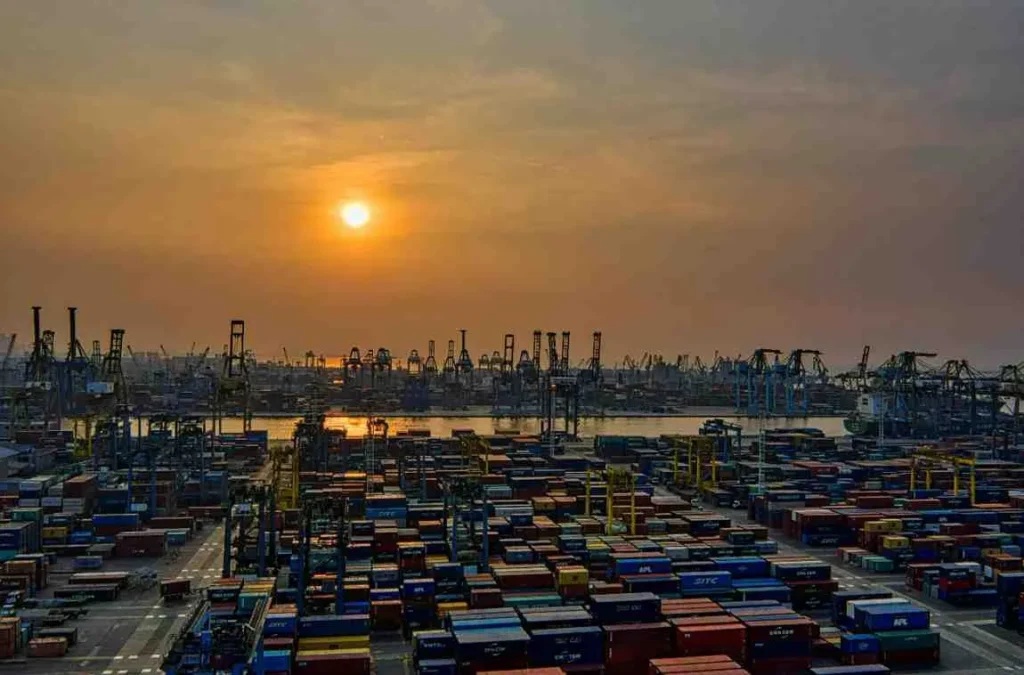
In conclusion, importing goods from China to the USA offers lucrative opportunities for businesses seeking quality products at competitive prices. While the process may seem daunting, careful planning, thorough research, and adherence to import regulations are key to a successful importing journey.
By finding reliable suppliers, navigating customs procedures, and prioritizing compliance, businesses can unlock the vast potential of importing from China, expanding their product offerings, and reaching new markets.
Related: How Long Does Customs Clearance Take? Key Takeaways

International trade between the United States and Switzerland highlights the strong economic relationship between the two nations. With its highly

Cold Nordic waters, advanced engineering, and a strong maritime economy make Norway a powerful exporter despite its size. Many of
Trade between the United States and Canada is one of the largest bilateral trading relationships in the world. Understanding what
 Optimized by Seraphinite Accelerator