What Does The US Export To Switzerland? Trade Insights
International trade between the United States and Switzerland highlights the strong economic relationship between the two nations. With its highly



Navigating the intricacies of customs clearance is a pivotal stage in international trade, ensuring the seamless movement of goods across borders. “Customs Clearance Completed” signifies the successful culmination of this process, indicating that shipments have met all regulatory requirements and are ready for release.
Moreover, Artemus Transportation Solutions emerges as a vital ally, offering comprehensive support for Importer Security Filing (ISF), Automated Manifest System (AMS), & Automated Export System(AES) requirements. With Artemus, businesses can streamline their customs clearance process, ensuring compliance with regulations and facilitating efficient import operations.
Table Of Contents
“Customs Clearance Completed” means that a shipment has finished the customs review process and has been approved for release by the customs authority of the importing country. This confirms that all required documents, duties, taxes, and regulatory checks have been successfully completed.
At this stage:
Once clearance is completed, the goods are officially released by customs and can move to the next step in the logistics process, such as transportation to a warehouse, distribution center, or final delivery location.
Note: “Customs Clearance Completed” does not always mean the shipment will be delivered immediately. Additional steps like terminal handling, carrier scheduling, or inland transportation may still occur before delivery.
Related: Custom Clearance Documents Required In USA, India, & Japan
ICustoms clearance status is an important shipment update that shows whether goods have been reviewed, approved, or held by customs authorities during international shipping. Monitoring this status helps importers, exporters, and logistics providers track shipment progress and address issues quickly.
It matters for several key reasons:
Customs status updates indicate whether a shipment is under review, cleared, or temporarily held by customs. This helps businesses understand where their goods are in the import or export process.
If customs require additional documents, inspections, or duty payments, the status update often reflects this. Early visibility allows shippers or customs brokers to resolve issues faster.
Tracking clearance status helps ensure shipments meet import regulations and documentation requirements, reducing the risk of penalties, shipment rejection, or cargo seizure.
Knowing when customs clearance is completed allows logistics teams to schedule inland transportation, warehousing, and final delivery more accurately.
Delays during customs processing can lead to storage fees, demurrage, or missed delivery timelines. Monitoring clearance updates allows businesses to act quickly and minimize these extra expenses.
In international shipping, customs clearance status provides critical visibility into the movement of goods, helping businesses manage compliance, timelines, and costs more effectively.
Related: What Happens After Custom Clearance Completed? 9 Next Steps
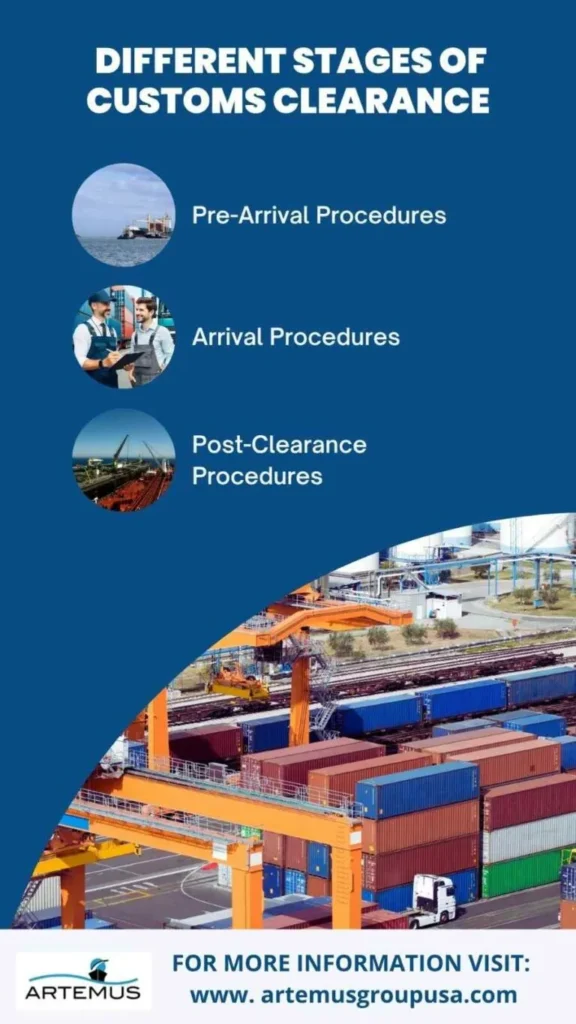
Customs clearance is the process through which import or export shipments are reviewed by customs authorities to ensure they comply with trade regulations, documentation requirements, and duty payments. The process typically occurs in three main stages.
Before the shipment reaches the destination port or border, certain steps must be completed to prepare for customs clearance.
Once the shipment arrives at a port, airport, or border crossing, customs begin the formal clearance process.
After customs approves the shipment, additional administrative steps may still apply.
These stages help customs authorities manage risk, ensure regulatory compliance, and facilitate the smooth movement of goods across international borders.
Related: How To Do Custom Clearance In USA For Goods? The Process
disrupt delivery schedules. Understanding these issues helps importers and exporters prepare for smoother international shipping.
Missing or inaccurate documents, such as commercial invoices, packing lists, or certificates of origin, are one of the most common causes of customs delays. Customs authorities require precise documentation to verify shipment details.
Using the wrong HS code or declaring an inaccurate shipment value can lead to incorrect duty calculations, penalties, or additional customs reviews.
Import regulations vary by country and may change frequently. Businesses must stay updated on product restrictions, licensing requirements, and trade policies to avoid compliance issues.
Some shipments are selected for document checks or physical inspections based on risk assessment systems. These inspections can extend clearance time, especially if discrepancies are found.
Shipping items that are restricted, controlled, or prohibited in the destination country can result in cargo seizure, fines, or shipment rejection.
Delays can occur when importers, customs brokers, carriers, or authorities lack timely communication or when additional information is required during the clearance process.
Modern customs processes rely heavily on electronic declarations. Errors in digital submissions or temporary system issues can delay the processing of customs entries.
Related: Custom Clearance Charges & Fees: A Complete Guide
Even when a shipment shows “Customs Clearance Completed,” it does not always mean the cargo will move immediately. Several operational and logistical factors can still delay the shipment after customs has approved its release.
After customs clearance, cargo may remain at the port, airport, or terminal until the carrier or freight forwarder schedules pickup, consolidation, or onward transport.
Ports and cargo terminals may experience congestion, container handling delays, or processing backlogs, which can slow the release of shipments to transportation providers.
Even after customs approval, the carrier or terminal may require additional steps such as freight payment confirmation, documentation verification, or container release authorization.
Missing or incorrect consignee details, delivery instructions, or payment confirmations can delay the handoff of cargo for final delivery.
Shortages of trucks, driver availability, route disruptions, or severe weather can delay cargo pickup and transportation from the port or terminal.
Sometimes shipments are delayed due to internal procedures at the importer’s end, such as scheduling warehouse space, internal inspections, or payment approvals.
In international shipping, customs clearance is only one step in the logistics chain. Even after customs release, cargo must still move through port handling, transportation scheduling, and final delivery processes.
Related: Customs Clearance Delays In 2025: Top 10 Reasons & Solutions
After customs clearance is completed, shipments can still be tracked as they move through port handling, inland transportation, and final delivery. Several tools and communication channels help monitor the shipment’s progress.
Most ocean carriers, airlines, and courier companies provide tracking numbers or container references that allow you to check shipment status and movement through their online tracking systems.
Freight forwarders and third-party logistics providers often provide online dashboards where customers can track shipment milestones, including cargo release, pickup, and delivery updates.
For ocean freight, shipping line websites and container tracking platforms can show updates such as container discharge, terminal handling, and gate-out status.
Many logistics providers offer automated email or SMS notifications that inform customers when the cargo is released, transferred to a domestic carrier, or scheduled for delivery.
Customs brokers, freight forwarders, or logistics coordinators can provide additional updates if the shipment is awaiting terminal release, pickup, or inland transportation.
Using these tracking methods helps businesses maintain visibility over shipments even after customs clearance, ensuring smoother coordination for pickup, transportation, and final delivery.
Related: How Long Does Customs Clearance Take? Key Takeaways
UndUnderstanding key terms can help importers navigate the customs process more confidently. Here are some essential terms to know:
Familiarity with these terms helps importers stay compliant, avoid delays, and better communicate with brokers and authorities.
Related: What Is Global Trade Management? A Complete 2025 Guide
A smooth customs clearance process allows shipments to move across borders without unnecessary delays or compliance issues. When goods clear customs efficiently, businesses can maintain reliable delivery schedules, reduce operational costs, and improve overall supply chain performance.
When customs documentation, declarations, and duty payments are handled correctly, shipments can move through ports and border checkpoints more quickly. Faster clearance reduces the time goods spend waiting at terminals and helps ensure that products reach warehouses or customers on schedule.
Customs delays often lead to additional charges such as demurrage, detention, storage, and administrative costs. A smooth clearance process helps businesses avoid these expenses by ensuring shipments are processed and released without unnecessary holds.
Quick customs clearance allows goods to reach distribution centers or retail markets faster. This enables businesses to sell products sooner, generate revenue earlier, and reduce the amount of working capital tied up in goods waiting at the border.
Reliable customs processing helps businesses maintain predictable shipment timelines. With clearer delivery schedules, companies can manage stock levels more effectively, improving warehouse planning and reducing the risk of shortages or excess inventory.
Industries that rely on precise delivery schedules benefit from efficient customs processing. Consistent clearance helps ensure that raw materials, components, or finished goods arrive when needed, supporting smoother production and distribution operations.
Smooth customs clearance typically reflects accurate documentation, proper tariff classification, and compliance with import regulations. This reduces the likelihood of shipment holds, regulatory penalties, or additional inspections.
When customs processes run efficiently, shipments move through the supply chain with fewer disruptions. Reliable border processing strengthens coordination between importers, exporters, freight forwarders, and logistics providers.
Related: How Long Does Customs Clearance Take? Key Takeaways
Artemus offers comprehensive customs clearance support for Importer Security Filing (ISF) and Automated Manifest System (AMS) requirements, streamlining the import process for businesses.
With Artemus, businesses & individuals can ensure compliance with U.S. Customs and Border Protection regulations, minimize the risk of penalties, and expedite the clearance of their shipments.
Whether navigating complex documentation, tariff classifications, or customs procedures, Artemus provides expert guidance and assistance to facilitate smooth and efficient imports, allowing businesses to focus on their core operations with confidence.
Related: What Is Customs Clearance? Meaning & Regulations
When a package shows “customs clearance,” it means the shipment is being reviewed by customs authorities to verify its documents, value, and compliance with import regulations before it can be released for delivery.
Customs clearance typically takes a few hours to a few days, depending on factors such as documentation accuracy, customs workload, shipment type, and whether inspections are required.
“Customs Clearance Completed” means the shipment has passed the customs review process, including document checks and duty assessments, and has been approved for release to the carrier or delivery network.
After customs clearance, delivery usually occurs within 1 to 3 business days, although the timeframe can vary depending on carrier schedules, terminal processing, and local transportation conditions.
Yes, customs clearance can be delayed due to incomplete documentation, incorrect declarations, inspections, high shipment volumes, or unpaid duties and taxes.
In some cases, additional fees such as import duties, taxes, storage charges, or carrier handling fees may still apply depending on the shipment value, product type, and local regulations.
Customs clearance may be completed within hours for straightforward shipments but can take several days if additional documentation checks or inspections are required.
If a shipment is held after customs clearance, you should contact the carrier, freight forwarder, or customs broker to determine whether additional documents, payments, or terminal procedures are required.
“Export customs clearance completed” means the shipment has passed customs procedures in the exporting country and is authorized to leave the country for international transport.
“Import customs clearance completed” means the shipment has been approved by customs in the destination country, confirming that documentation and duty requirements have been processed and the goods can proceed to delivery.
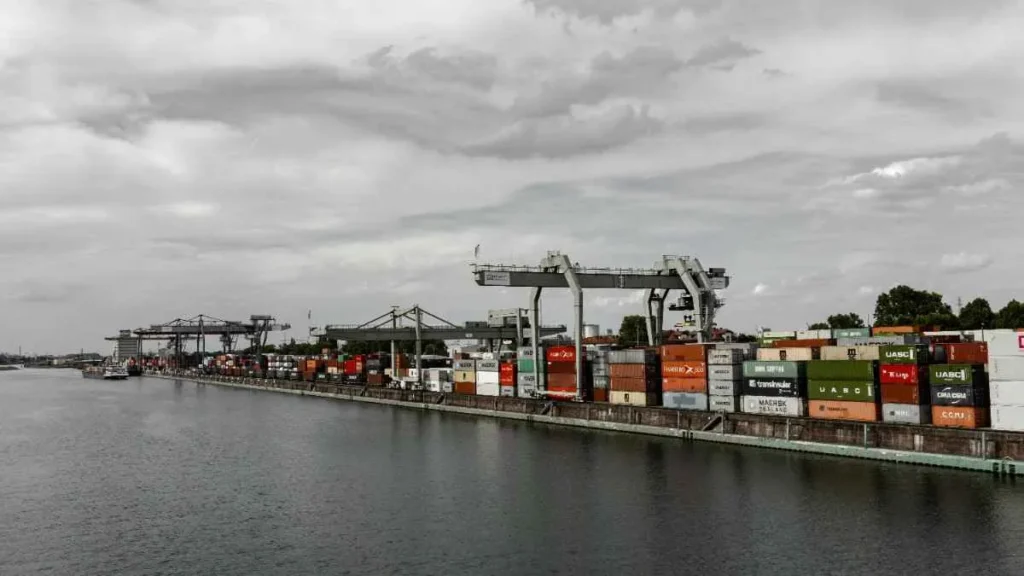
In conclusion, completion of customs clearance signifies the successful navigation of regulatory hurdles and inspection processes necessary for international shipments to enter a country.
This status indicates that the goods have met all relevant requirements, including documentation, duties, and compliance with import regulations, and are now authorized for release, facilitating their onward journey to their final destination.
Related: 10 International Shipping Documents To Must Have In 2025

International trade between the United States and Switzerland highlights the strong economic relationship between the two nations. With its highly
Cold Nordic waters, advanced engineering, and a strong maritime economy make Norway a powerful exporter despite its size. Many of
Trade between the United States and Canada is one of the largest bilateral trading relationships in the world. Understanding what
 Optimized by Seraphinite Accelerator