What Does Switzerland Export To The US? A Detailed Guide
Switzerland plays a vital role in U.S. trade, supplying a wide range of high-value and specialized products. From pharmaceuticals and


Starting with international trade can feel overwhelming. It’s not just about moving goods across borders, there’s a whole world of rules and regulations to navigate. One key piece of the puzzle is the Customs Bond, a financial guarantee that protects both importers and government authorities and makes sure shipments move smoothly through customs.
If you’ve ever wondered, “Where can I buy a Customs Bond?” you’re not alone. In this blog, we’ll break down what a Customs Bond is, why it’s important, and how to get one, all in a way that’s easy to understand.
To make the process even simpler, Artemus Transportation Solutions is here to help. Beyond guiding you on acquiring a Customs Bond, they offer advanced tools like ISF software and customs broker software designed to streamline compliance. With Artemus, managing customs requirements becomes much more straightforward, helping you focus on growing your international trade business rather than getting stuck in paperwork.
Table Of Contents
A customs bond is a legally binding agreement between the importer, a surety company, and customs authorities (e.g., U.S. Customs and Border Protection). It acts as a financial guarantee that you will comply with customs regulations and pay all duties, taxes, fees, or penalties associated with your shipments.
Here’s why having a customs bond is essential:
If duties, taxes, or fees are unpaid, customs can claim against the bond to recover these amounts. This ensures the government does not lose revenue due to non-compliance or shipment issues.
A customs bond allows shipments to be released promptly. Since the bond guarantees payment, customs doesn’t need to wait for full duty payment before clearing your goods, which speeds up the import process.
The bond holds importers accountable for following customs laws, including proper documentation, accurate reporting, adherence to safety standards, and compliance with trade regulations.
Having a customs bond demonstrates to customs officials and business partners that you are financially responsible and committed to conducting legal, compliant trade. It can help establish credibility in international commerce.
Related: What Can I Do With A Customs Broker License? A 2025 Guide
Navigating the intricate landscape of international trade often necessitates the use of customs bonds, vital financial instruments that guarantee compliance with customs regulations, and the fulfillment of financial obligations. Here’s a concise breakdown of who requires these bonds:
Businesses engaged in cross-border trade, whether bringing goods into a country or exporting them, often require customs bonds. These bonds serve as a commitment to adhere to customs laws and ensure the payment of duties and taxes associated with imported or exported goods.
Professionals who facilitate the customs clearance process on behalf of importers require bonds to guarantee their clients’ financial responsibilities and compliance with customs procedures. This ensures a smooth and efficient customs clearance process for their clients.
Carriers, freight forwarders, and other transportation entities involved in the movement of goods across borders typically require customs bonds. These bonds serve as a guarantee that the transportation companies will comply with customs regulations during the transit of goods, assuring customs authorities.
Businesses operating bonded warehouses, where goods are stored under customs supervision, often need bonds. These bonds ensure the proper handling, reporting, and payment of duties and taxes when the goods are withdrawn from the warehouse, maintaining transparency in the customs process.
Companies engaged in the production and distribution of goods internationally may require customs bonds. These bonds facilitate the smooth movement of products across borders and ensure compliance with customs laws, contributing to the efficiency of the supply chain.
Companies utilizing Foreign Trade Zones (FTZs), designated areas where goods can be stored or processed with deferred customs duties, typically need bonds. These bonds guarantee compliance with the regulations governing these zones, allowing businesses to take advantage of the benefits offered by FTZs.
Businesses participating in temporary export activities, such as trade shows or exhibitions, may require bonds like Carnet Bonds. These bonds allow for the duty-free movement of goods during these events, facilitating international showcasing without the immediate financial burden of customs duties and taxes.
Related: How To Find A Customs Broker? 7 Important Factors To Know
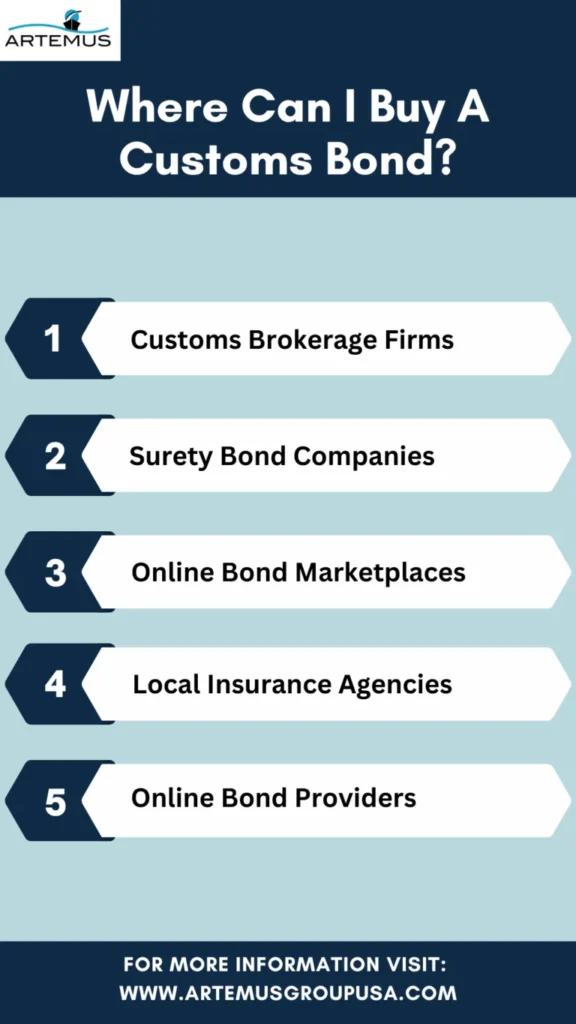
When seeking to purchase a customs bond, there are several avenues available to individuals and businesses. Here’s a brief overview:
Many customs brokerage firms offer customs bond services as part of their comprehensive international trade assistance. These firms specialize in navigating customs procedures and can facilitate the acquisition of the appropriate bond for your specific needs.
Specialized surety bond companies are primary sources for obtaining customs bonds. These companies specialize in providing various types of surety bonds, including those required for international trade. Working directly with a surety bond company ensures access to expertise in the field.
The digital age has brought about online bond marketplaces where individuals and businesses can conveniently explore and purchase customs bonds. These platforms often provide a user-friendly interface, allowing customers to compare options and select the most suitable bond for their requirements.
Some local insurance agencies may offer customs bonds as part of their services. While not as specialized as dedicated surety bond companies, local agencies can be a convenient option, particularly for businesses looking for a more personalized, local approach to their insurance and bonding needs.
In the digital age, several online platforms specialize in providing surety bonds, including Customs Bonds. These platforms often streamline the application process, allowing you to obtain a bond efficiently.
Related: What Does A Customs Broker Do? 10 Key Responsibilities
With Artemus Transportation Solutions, compliance becomes a strategic asset, allowing businesses to focus on their core operations while navigating the complexities of international trade with confidence.
Artemus’ ISF software streamlines the Importer Security Filing (ISF) process, ensuring accurate and timely submission of essential information before cargo reaches U.S. ports. This user-friendly solution empowers importers to navigate the complexities of ISF filing seamlessly, enhancing efficiency and reducing the risk of penalties.
For customs brokers, Artemus provides a comprehensive software solution that goes beyond conventional offerings. This platform is a robust tool for managing customs clearance processes, documentation, and communication with relevant authorities. It empowers brokers to stay ahead of regulatory changes and ensures a smooth and compliant flow of goods across borders.
Related: Customs Broker VS Freight Forwarder: 5 Key Differences
The cost of a customs bond varies but typically ranges from $100 to $1,000 annually, depending on factors such as bond type and amount.
Yes, a customs bond is mandatory for businesses involved in importing goods into the United States.
The duration depends on the bond type. Single-entry bonds cover one shipment and expire after it clears customs. Continuous bonds are valid for 12 months and cover multiple shipments, needing renewal each year.
In most cases, no. U.S. customs requires a bond for commercial imports valued at $2,500 or more or for goods subject to special regulations. Some low-value shipments or informal entries may not require a bond.
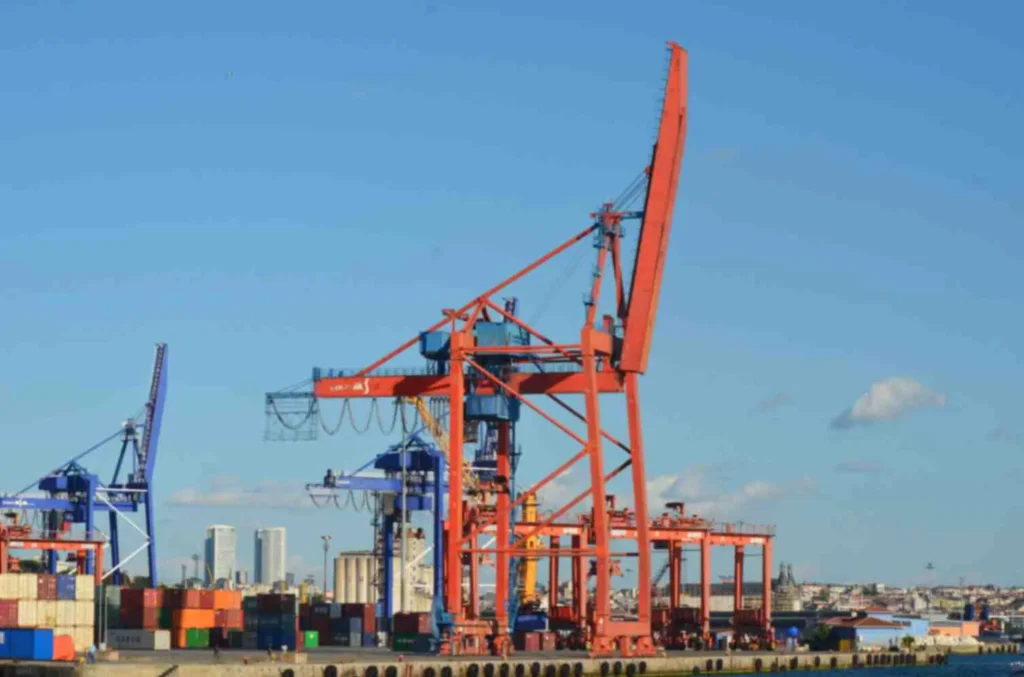
In conclusion, obtaining a customs bond can be done through established insurance companies, surety bond providers, licensed customs brokers, or online platforms specializing in bonding services. The key is to choose a provider that complies with regulations and meets the importer’s specific needs, ensuring a smooth and secure international trade process.
Related: How To Become A Customs Broker? A Step-By-Step Journey

Switzerland plays a vital role in U.S. trade, supplying a wide range of high-value and specialized products. From pharmaceuticals and
In 2026, the US-Europe trade relationship continues to power global commerce, driven by exports of energy, advanced machinery, and pharmaceuticals
The economic partnership between the United States and Norway is a sophisticated and evolving pillar of transatlantic commerce. U.S. exports